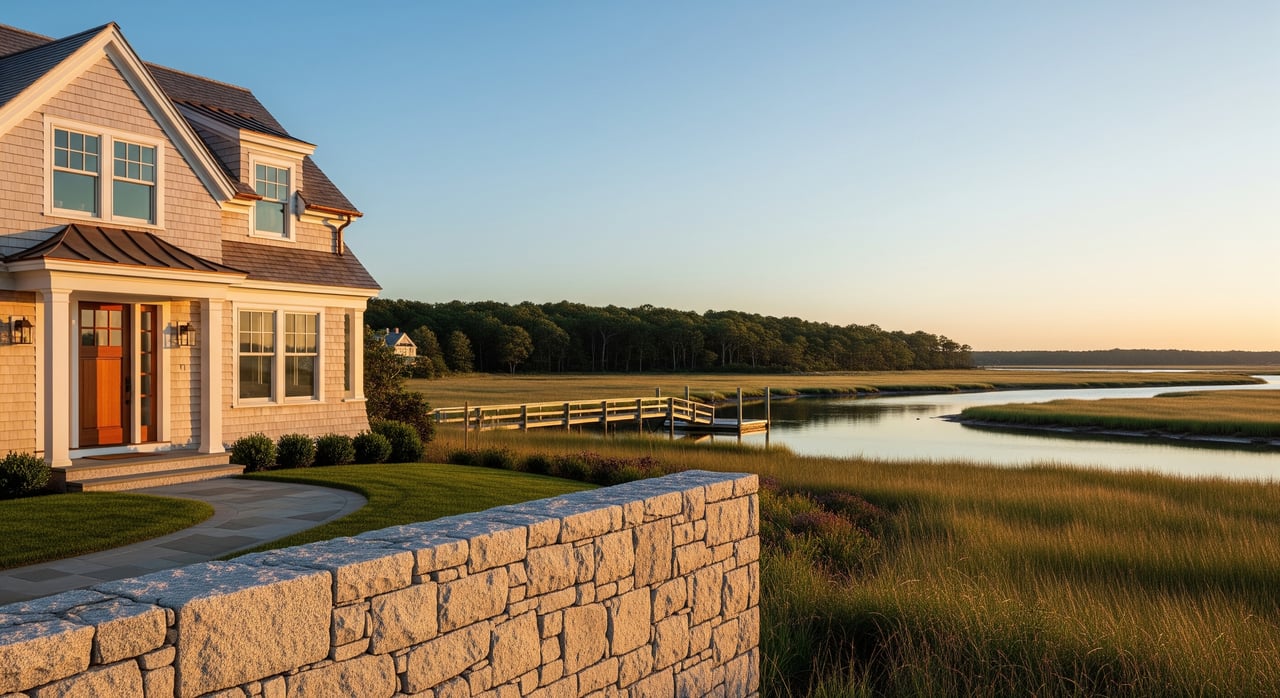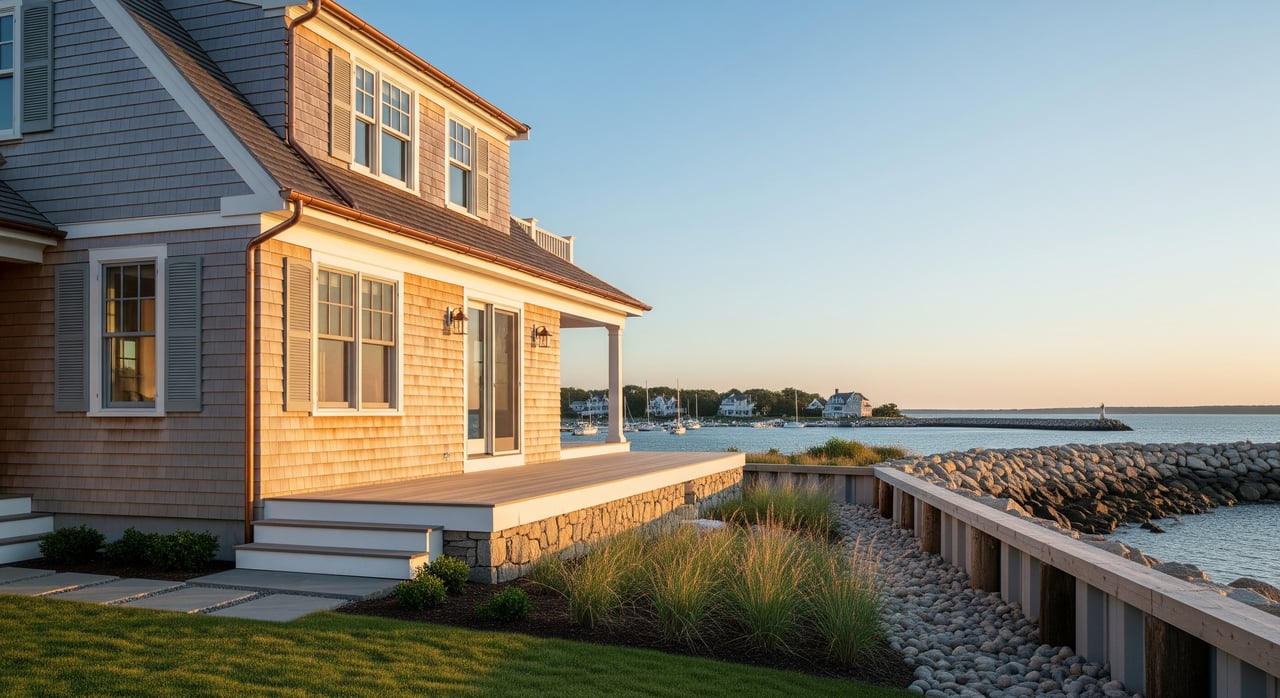
Salt air, wind, and nor’easters give Scituate homes a workout. If you own on the South Shore, you know the sea is beautiful and tough on materials. With a simple seasonal plan, you can protect your home, avoid surprise repairs, and preserve long-term value. This checklist shows you what to do and when, with coastal-specific tips that work in Scituate and nearby Boston and Plymouth shoreline neighborhoods. Let’s dive in.
Why coastal homes need a plan
Coastal homes face unique stressors: salt spray speeds up metal corrosion, wind-driven rain finds gaps, and freeze–thaw cycles crack finishes. Sand can wear down coatings and clog gutters. Tidal rivers and barrier beaches in Scituate raise the risk of surge during nor’easters and hurricanes. For local context, the Massachusetts Office of Coastal Zone Management and the Town of Scituate share guidance on coastal hazards and preparedness.
A routine that fits the seasons helps you spot issues early, extend the life of exterior materials, and stay ready for storms. The steps below are tailored to Scituate’s conditions and similar South Shore coastal neighborhoods.
Spring checklist
Spring is the time to clear winter salt, fix small issues, and prep for summer humidity.
- Rinse exteriors. Low-pressure wash salt from siding, decks, railings, windows, and outdoor units. Use a gentle detergent for stubborn residue.
- Inspect roof and attic. Look for missing shingles, flashing gaps, and soffit or vent damage. Check for attic leaks, displaced insulation, or mold.
- Clear gutters and downspouts. Remove leaves, sand, and salt. Confirm downspouts move water away from the foundation.
- Check decks and woodwork. Tighten or replace corroded fasteners. Re-stain or seal exposed wood as needed.
- Touch up paint and caulk. Repair peeling paint and recaulk around windows and doors to block water intrusion.
- Service HVAC or heat pumps. Schedule annual service, change filters, inspect condenser coils, and apply manufacturer-recommended corrosion protection.
- Test sump pump. Verify operation, check a battery backup, and review crawlspace ventilation and vapor barriers.
- Review septic and drainage. Note slow drains or high groundwater signs and follow local health guidance for pump-outs.
Summer checklist
Warm months bring humidity and the start of storm season. Focus on ventilation, mold prevention, and supplies.
- Control mold and mildew. Inspect shaded or damp areas. Clean surfaces and improve airflow.
- Repair windows and screens. Fix torn screens. Watch for fogging between panes, which can signal failed seals.
- Manage landscaping and erosion. Trim vegetation, remove dead branches, and secure potted items. Monitor shorelines and maintain approved buffers.
- Check storm supplies. Confirm you have an emergency kit, lighting, batteries, potable water, and a safe generator setup.
- Store and secure gear. Service lawn equipment and stow seasonal items before fall storms.
Fall checklist
Fall is prep season for nor’easters, salt-laden winds, and freezing temps.
- Inspect chimney and fireplace. Clean and check the cap and flashing for wood or gas systems.
- Secure fuel systems. Fill oil or propane tanks, check lines for leaks, and confirm tanks are secure and elevated if flooding is possible.
- Improve insulation and weatherproofing. Review attic insulation, weatherstrip doors, and address crawlspace moisture.
- Prepare gutters and roof. Clear gutters again, replace failing shingles, and confirm ventilation to reduce ice dams.
- Protect outdoor HVAC. Use covers only if the manufacturer recommends them. Ensure compressors are elevated above expected flood levels.
- Ready shutters and plywood. Inspect storm shutters and hardware. Pre-cut and store plywood if you do not have shutters.
- Test generator and batteries. Load-test, check fuel lines, and confirm transfer switch operation.
Winter checklist
In winter, your goal is to prevent freeze damage and keep heat systems reliable.
- Manage snow and ice. Use a plastic roof rake to clear eaves and reduce ice dams. Keep exterior vents clear.
- Watch for ice dams. Monitor ceilings for leaks and maintain attic ventilation and insulation.
- Check heating systems. Do a mid-season check of boilers or heat pumps and test carbon monoxide detectors.
- Inspect after storms. Walk the exterior, look for damage, and confirm sump pump operation.
Materials that last on the coast
Choosing the right materials reduces maintenance and extends life near the ocean.
Metals and fasteners
- Use marine-grade stainless steel, ideally Type 316, for exterior fasteners and hardware. It resists chloride pitting better than 304.
- Hot-dipped galvanized hardware can work in less exposed areas but expect a shorter lifespan than 316 stainless.
Siding and finishes
- Wood shingles and clapboard fit the New England look but need frequent inspection and touch-ups. Plan for more regular refinishing than inland homes.
- Composite or fiber-cement siding resists rot and salt. Keep joints caulked and inspected.
- High-quality exterior acrylic latex or marine-rated paints perform better in salty, windy conditions.
Roofing
- Metal roofing with proper coastal coatings performs well in wind and salt environments.
- Asphalt shingles are common but may wear faster on exposed coasts. Inspect annually and after major storms.
- Use durable flashing materials, such as stainless or properly coated metals, around chimneys and vents.
Windows and doors
- Consider impact-rated or tempered glazing where required. Storm shutters add another layer of protection.
- Choose window systems with marine-grade hardware and maintain caulk and flashing.
Decking and railings
- Composite decking with stainless fasteners reduces upkeep. If you use pressure-treated wood or cedar, plan regular sealing.
Storm readiness for nor’easters
You cannot control the forecast, but you can prepare. Follow official updates from the National Weather Service Boston/Norton and use NOAA’s Sea Level Rise Viewer for context on long-term flooding trends.
48–72 hours before a storm
- Secure vehicles, grills, furniture, planters, and loose items.
- Close storm shutters or install pre-cut plywood. Seal vulnerable openings if needed.
- Elevate portable equipment and critical items if flooding is possible.
- Top off heating oil or propane and check generator fuel and maintenance.
- Store important documents in a waterproof container and photograph the exterior for insurance.
- Follow local evacuation guidance and know your routes.
During the storm
- Follow official instructions on utilities. Do not walk or drive through floodwaters.
- Monitor updates from NWS and local emergency management.
After the storm
- Photograph damage and document dates.
- Check for structural, gas, or electrical hazards before re-entering.
- Remove standing water and begin drying within 24–48 hours. See the EPA mold cleanup guidance for safe practices.
- Contact your insurer and keep records of all repairs.
Flood zones, permits, and insurance basics
Many Scituate properties fall in mapped FEMA flood zones, which can affect elevation requirements and insurance. You can review your property’s zone at the FEMA Flood Map Service Center. Building work in flood-prone areas may need elevated mechanical and electrical equipment consistent with state code and local rules.
Shoreline projects and erosion control often require permits through local and state agencies. Start with the Town of Scituate and consult state guidance from MassDEP and Massachusetts CZM before planning seawalls, revetments, or dune work.
If you live outside a high-risk flood zone, you may still consider coverage. Flooding can occur beyond mapped areas, and lenders typically require policies in high-risk zones. FEMA’s site has general information on flood insurance.
Protect value with proactive care
A coastal home in Scituate can thrive for decades with the right routine. Focus on rinse and repair in spring, humidity and readiness in summer, weatherproofing in fall, and safe heating through winter. Choose materials built for salt air and stay plugged into official weather and coastal resources.
If you want a tailored plan for your South Shore property or you are weighing pre-listing improvements, connect with a local advisor who knows coastal homes. For friendly, informed guidance, schedule a conversation with Paul Preziosi.
FAQs
What spring maintenance should Scituate coastal owners prioritize?
- Rinse salt from exteriors, inspect roof and attic, clear gutters of sand and debris, touch up paint and caulk, service HVAC, and test the sump pump.
Which fasteners work best near the ocean in Massachusetts?
- Use marine-grade 316 stainless steel for exterior decks, rails, and hardware; hot-dipped galvanized can work in less exposed spots but will not last as long.
Do I need flood insurance if I am not in a mapped flood zone?
- Flooding can happen outside high-risk zones; coverage is required by many lenders in mapped zones and is often recommended in coastal neighborhoods.
How should I prepare a Scituate home for a nor’easter?
- Secure loose items, shut or install shutters, elevate valuables, check fuel and generator, store documents safely, and follow NWS and local guidance.
What exterior materials hold up best in South Shore salt air?
- Metal roofing with coastal coatings, fiber-cement or composite siding, impact-rated windows with marine hardware, composite decking, and 316 stainless fasteners.