Are you torn between the calm of the suburbs and the pull of the coast? On Boston’s South Shore, Norwell and Scituate both offer strong lifestyle perks, but the day-to-day feel is very different. You want space, good services, and a manageable commute, and you also want to avoid surprises like flood risk or high maintenance costs. This guide breaks down what it is really like to live in each town and gives you a smart touring plan so you can compare them with confidence. Let’s dive in.
Norwell vs. Scituate at a glance
Norwell sits inland with a classic suburban layout, tree-lined streets, and conservation land. Scituate is a coastal town with a working harbor, beaches, and lively village centers. Both are considered affluent for the region, yet their housing and daily rhythm differ.
- Size and feel: Norwell is smaller and more compact in settlement pattern, while Scituate spreads out along the shoreline. Approximate 2020 populations are Norwell around 11,000 and Scituate around 18,000.
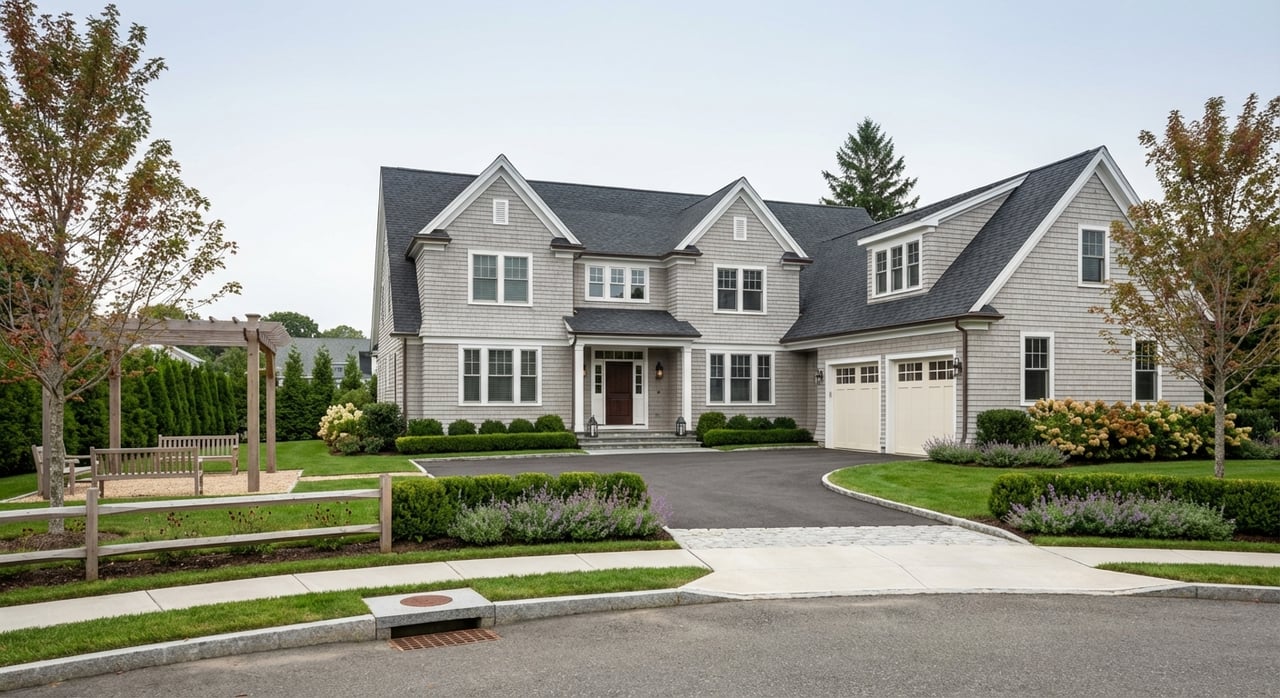
- Housing character: Norwell leans toward single-family homes on larger lots. Scituate mixes historic homes, beach cottages, and some condos, with a coastal premium near the harbor and beaches.
- Commute options: Scituate is served by the MBTA Greenbush commuter rail line to South Station. Norwell does not have an in-town commuter rail station and is more car dependent for first-last mile access.
- Lifestyle: Scituate’s summer season brings beach traffic and harbor activity. Norwell offers a steadier, quieter suburban pace and easy access to conservation trails.
Housing and neighborhoods
Norwell housing snapshot
In Norwell, you’ll find predominantly single-family homes with Colonial, Cape, and more contemporary suburban styles. Lots tend to be larger, with many recent subdivisions and pockets near ponds and conservation lands. Village areas are small and low-rise, with services clustered near Norwell Center and along key corridors.
Scituate housing snapshot
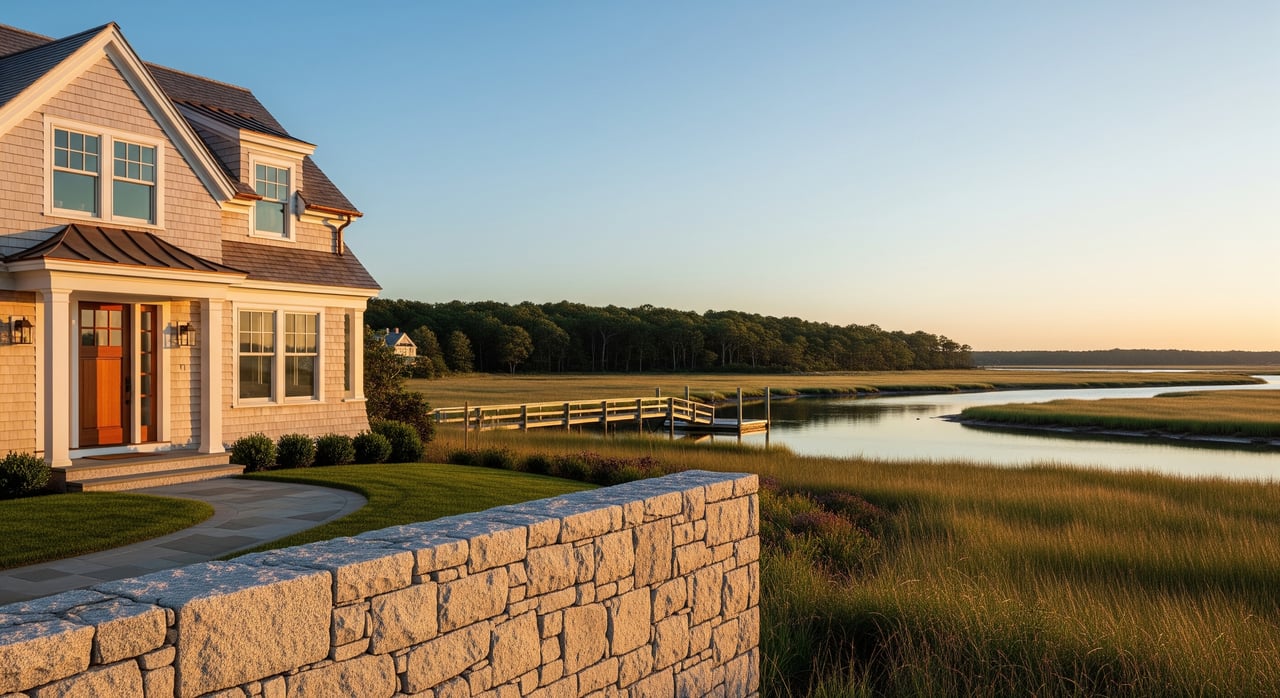
Scituate’s housing is more varied. You’ll see historic homes near the harbor, compact-lot neighborhoods in village areas, seasonal cottages, and some condominiums. Waterfront and harbor-view properties command higher prices, and maintenance needs can reflect a coastal setting. Neighborhoods like Scituate Harbor, North Scituate, and Humarock each have distinct character and access to amenities.
Price and inventory patterns
Market conditions change month to month, but a general pattern holds: Scituate often carries a coastal premium, especially for waterfront and harbor-side listings. Norwell is competitive for larger lots, newer suburban construction, and a quieter setting. For up-to-date median prices and days on market, review a current local market snapshot and request a neighborhood-level analysis before you tour.
Zoning and development notes
Norwell’s zoning typically supports larger-lot residential neighborhoods and fewer dense developments. Scituate’s older, small-lot patterns around village centers allow for a more compact feel near the coast. If you care about future development or redevelopment, check each town’s planning board updates and master plans for proposed projects that could affect traffic, services, or long-term value.
Commute and getting around
Rail access
Scituate is served by the MBTA Greenbush Line, which runs to Boston’s South Station. If you plan a regular rail commute, this can be a major advantage. Norwell residents often drive to nearby stations in adjoining towns or rely on a car-first commute.
Driving and highways
Both Norwell and Scituate have access to Route 3 and local state routes. Drive times to Boston and nearby employment hubs vary widely by time of day. Peak traffic can add significant time, so test your commute from a specific address during the hours you would normally travel.
Walkability and parking
Scituate offers concentrated walkability around the harbor and village centers, and some neighborhoods are near shops and the station. In the summer, beach and harbor areas can see heavier traffic and parking demand. Norwell has pockets of walkability in village areas, but most errands typically require a car.
Schools, taxes and services
Both towns operate public school systems with elementary, middle, and high schools. Historically, each reports solid graduation rates and engaged community support, though programs and outcomes can vary year to year. For details on test scores, AP offerings, and specialized programs, review the latest district and state education profiles.
Property taxes, assessments, and overall ownership costs differ by property. Coastal homes in Scituate may face higher insurance needs, including flood coverage in FEMA-designated zones. In Norwell, larger lots can influence assessed values for comparable home styles. Many homes in both towns use individual septic systems, while some areas have sewer service. Always verify a property’s utilities, system status, and any planned sewer expansions during due diligence.
Lifestyle, recreation and climate risk
Outdoor recreation
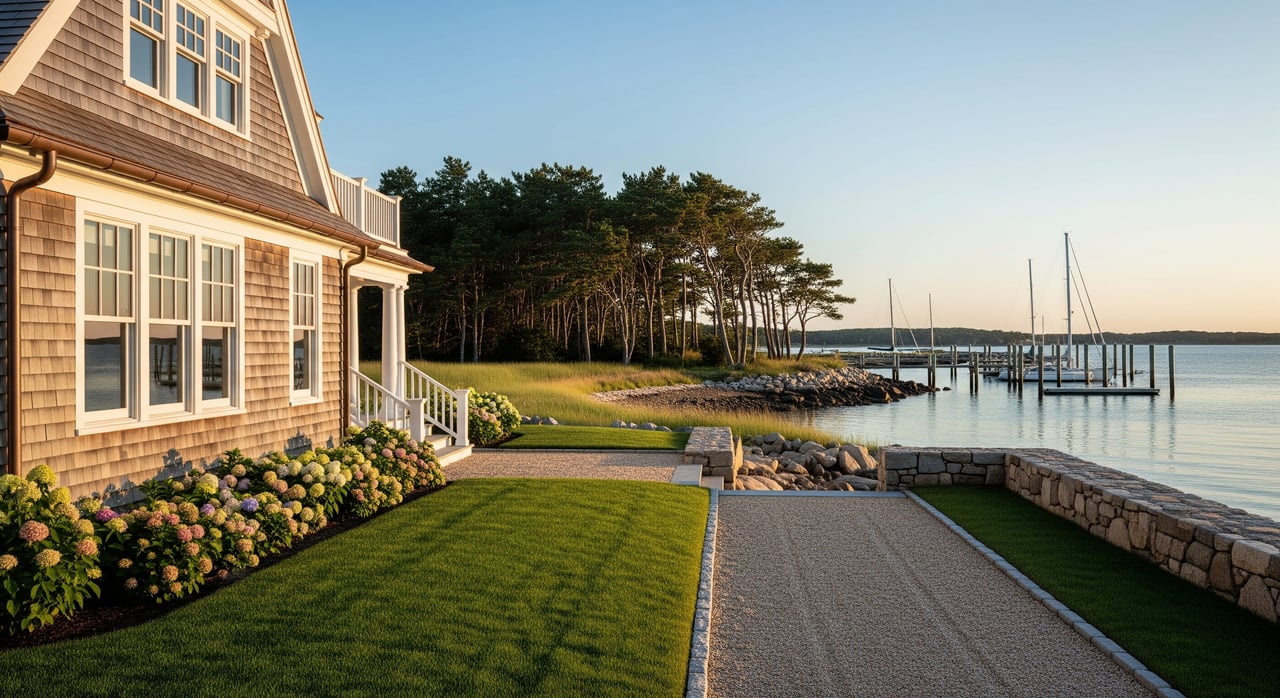
If you want water access and a maritime vibe, Scituate delivers with beaches, a working harbor, boating, fishing, and shoreline walks. Norwell shines with conservation lands, trails, ponds, and easy access to regional outdoor spots like state parks for hiking and biking. Golf and larger inland green spaces are commonly within reach.
Culture and amenities
Scituate Harbor is a hub for restaurants, cafes, and seasonal events. Village centers host small businesses and community activities tied to the maritime calendar. Norwell’s centers feature local shops and restaurants, with additional retail in nearby towns. The pace is steady year round, which many buyers prefer for daily convenience.
Flood and insurance considerations
In Scituate, some neighborhoods fall within FEMA flood zones and may be exposed to storm surge and erosion. Insurance and maintenance planning matters more near the water. In Norwell, direct coastal exposure is limited, but low-lying areas near wetlands or ponds can see localized flooding during heavy storms. Review flood maps, elevation data, and past claims where available, and request insurance quotes early in your search.
Which town fits your priorities
Ask yourself a few clear questions to narrow the fit:
- Do you want waterfront access and a lively harbor scene, or more space and a quieter suburban setting?
- Is commuter rail to South Station important for your routine, or will you mostly drive to work and errands?
- How comfortable are you with coastal maintenance and potential flood insurance, compared with inland systems like septic and well water in some areas?
- Do you prefer a summer seasonal buzz or a steadier year-round pace?
If you value larger lots, privacy, and easy access to conservation areas, Norwell may be a better match. If you prioritize beaches, boating, and a walkable harbor lifestyle, Scituate is likely the right pick.
How to tour both towns like a local
Plan to visit each town twice: once on a weekday during typical commuting hours and once on a weekend to see community activity.
Norwell day plan
- Start at Norwell Center to get a feel for the town common, municipal buildings, and nearby schools from the exterior.
- Drive representative neighborhoods across the north, center, and south to compare lot sizes, street character, and home styles.
- Walk a short conservation trail or visit a pond to test access to outdoor options.
- Drive your likely commute route to Route 3 at a relevant time to gauge travel patterns.
- Stop at a grocery and retail area to check daily convenience.
Scituate day plan
- Begin at Scituate Harbor. Walk the harbor, observe parking, and picture day-to-day life among shops and restaurants.
- Visit nearby beaches to see parking rules, dune protection, and seasonal activity.
- Drive through North Scituate and Humarock to compare different coastal neighborhoods.
- If rail matters to you, visit the commuter rail station to assess parking and pedestrian access.
- Wrap up with a visit to village shops or a local restaurant to get a feel for seasonal rhythm.
Touring checklist
- Noise, traffic, and street parking at different times of day
- Proximity to grocery, health care, schools, and emergency services
- Cellular and internet signal plus providers and speeds
- Signs of coastal wear, storm damage, or deferred maintenance on seaside homes
- Visibility and condition of coastal protections such as seawalls and dunes
- Neighborhood character and activity on weekdays versus weekends
What to verify before you offer
Every address is unique. Use this due diligence list to avoid surprises.
Scituate-specific checks
- Confirm FEMA flood zone status and obtain an elevation certificate if available
- Review any FEMA claims history where possible
- Inspect seawalls, docks, or piers and ask about coastal erosion reports
- Get quotes for both homeowner and flood insurance from multiple carriers
Norwell-specific checks
- Order a septic system inspection and review pumping history
- Test well water if applicable
- Check for wetlands or conservation restrictions on the parcel
- Confirm if the road is town maintained or private
Shared items
- Recent property survey and title or municipal lien checks
- School assignment confirmation with the district
- Commute test drive at peak hours or a trial rail trip
- Utility verification, including gas or oil, electric service, and internet options
- Neighborhood-level market analysis to understand pricing trends
Next steps and how we can help
The right choice comes down to your lifestyle, commute, and comfort with coastal or inland trade-offs. A focused tour, a side-by-side market analysis, and early insurance and system checks will make your decision clearer and your offer stronger. If you want a guided shortlist and private showings tailored to your goals, connect with a local expert who knows both towns well.
Ready to compare Norwell and Scituate with confidence? Schedule a consultation with Paul Preziosi to plan your tours, get a neighborhood-level market read, and move forward with clarity.
FAQs
What are the main lifestyle differences between Norwell and Scituate?
- Norwell offers a quieter, inland suburban pace with larger lots, while Scituate delivers a coastal lifestyle with beaches, a working harbor, and seasonal activity.
How does the commuter rail impact living in Scituate vs. Norwell?
- Scituate has MBTA Greenbush Line service to South Station, which benefits rail commuters; Norwell residents typically drive to nearby stations or rely on highway commutes.
Are flood risks a big factor in Scituate home shopping?
- Yes, some Scituate areas fall within FEMA flood zones, so you should check maps, request an elevation certificate, and obtain flood insurance quotes before offering.
Do Norwell homes usually have septic systems?
- Many Norwell properties use individual septic systems, though there are sewered pockets; always verify system type, inspection status, and any planned expansions.
Which town is better for walkability and dining?
- Scituate’s harbor and village centers are more walkable with seasonal restaurants and shops; Norwell’s retail is more spread out, with convenient car access to nearby hubs.
How should I compare prices between the two towns?
- Request a current, neighborhood-level market analysis for both towns to see recent sales, inventory, and days on market, and then align those trends with your budget and needs.