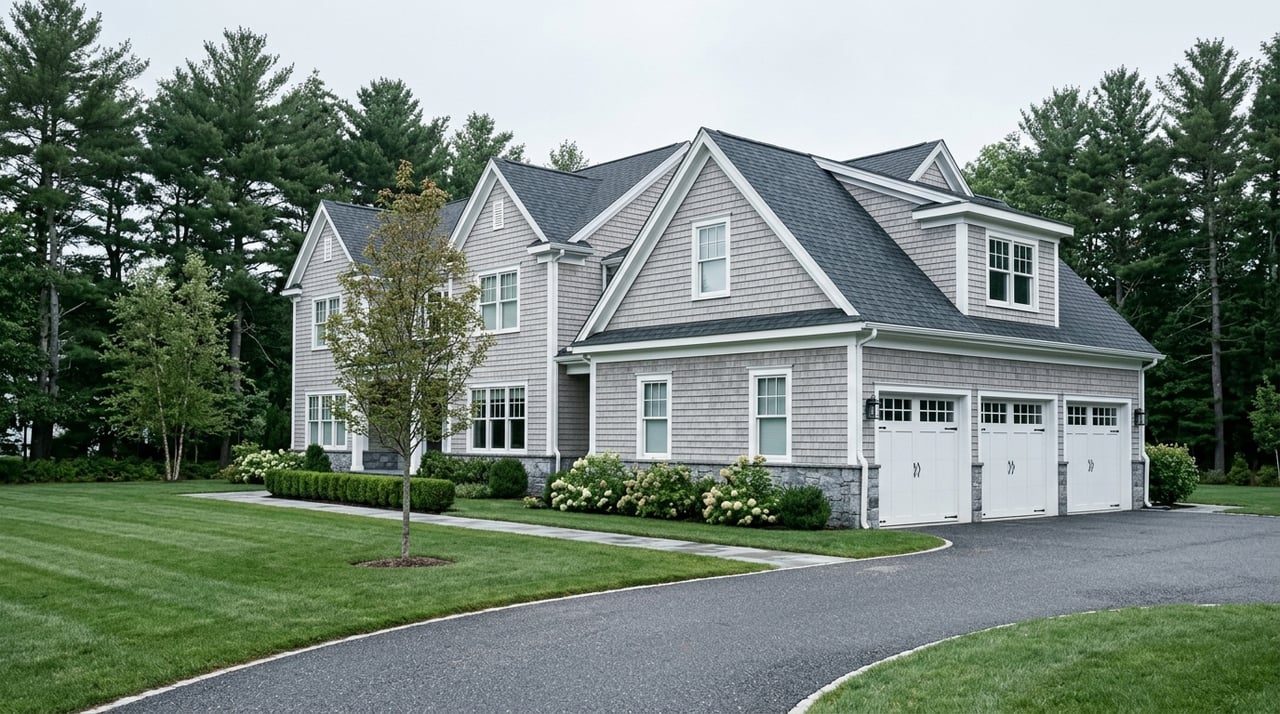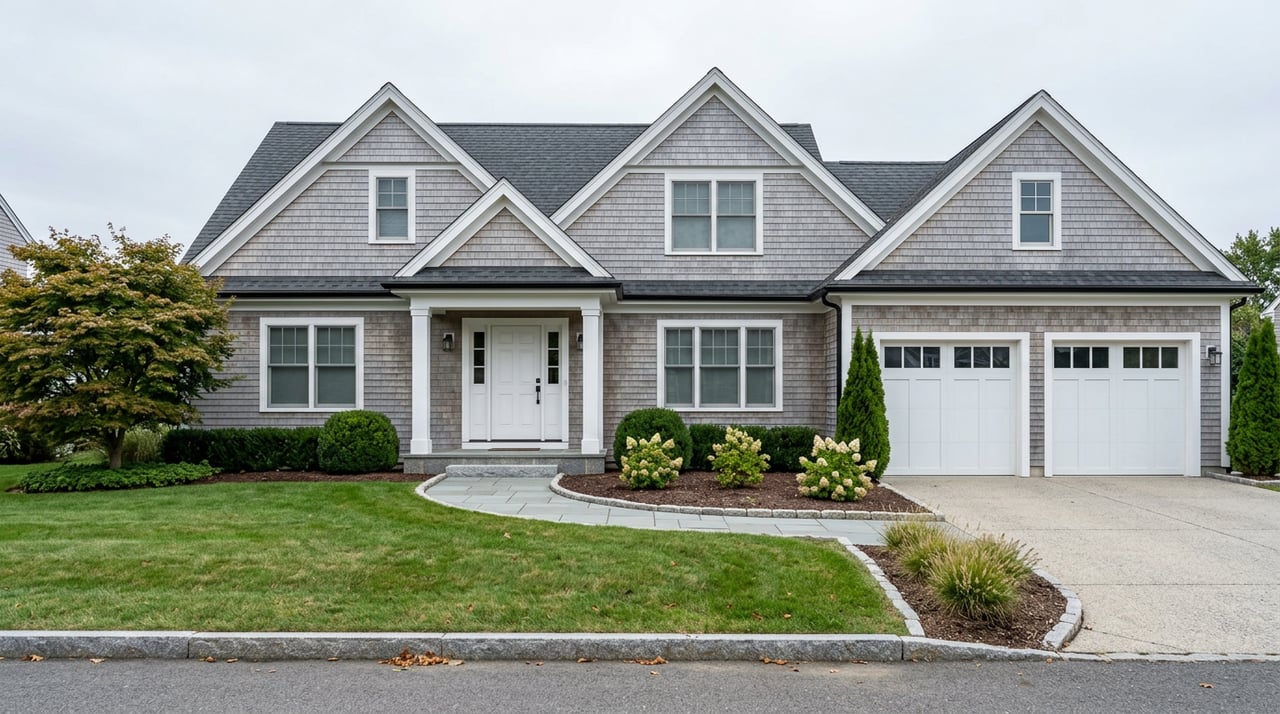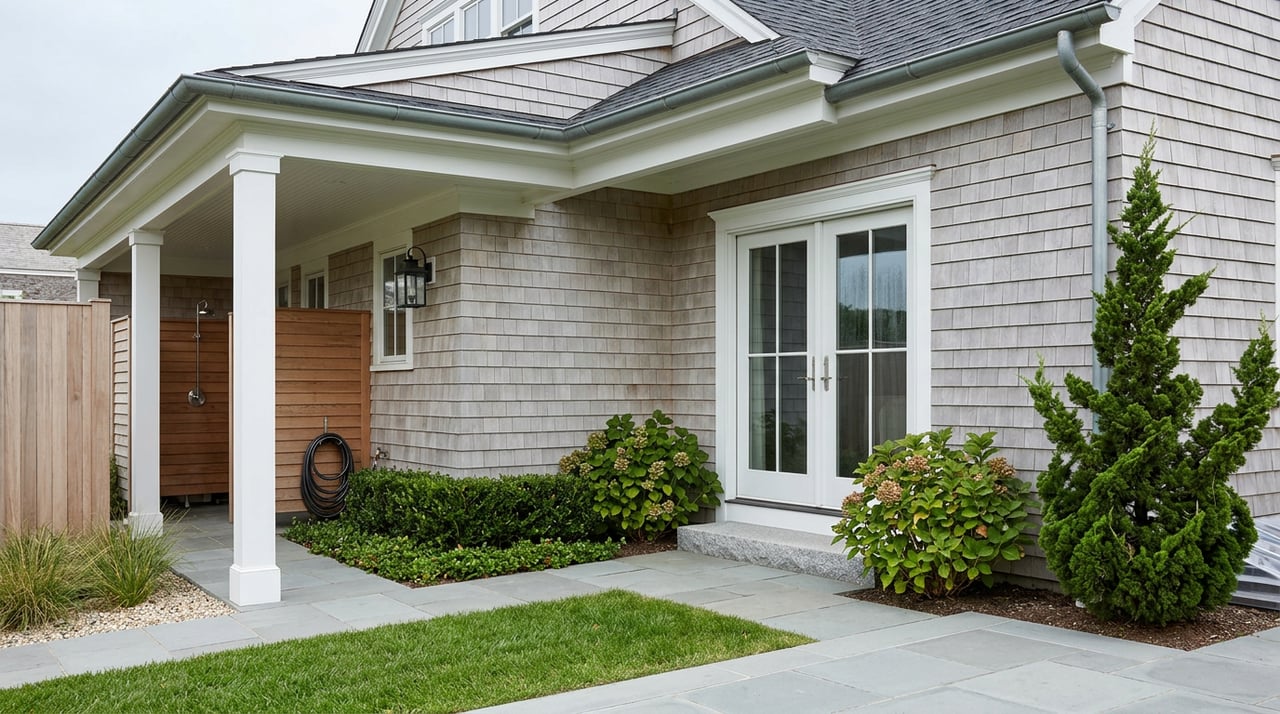
Selling a coastal home in Scituate is not the same as selling inland. Buyers will ask about FEMA flood zones, insurance costs, erosion, and the status of any seawall or shoreline work. You want to showcase the lifestyle and the view while also answering risk questions with confidence. This guide gives you a clear plan to prepare, package, and present your property so you sell well. Let’s dive in.
Why Scituate coastal sales are different
Scituate is a high-hazard New England coastline with a documented history of storm surge and erosion. The town studies shoreline reaches and ranks areas by erosion risk and infrastructure vulnerability, which means buyers often do their homework too. You can point to town research to frame your listing with credible context. Review the town’s analysis of shoreline reaches and erosion to understand where your home sits within local priorities, such as Oceanside Drive, Peggotty Beach, and North Scituate. You can find this in the town’s coastal erosion and shoreline prioritization study.
Town planning documents and annual progress reports also track projects like beach nourishment, dune work, and seawall repairs. Having these resources on hand supports your disclosures and helps you answer buyer questions with facts, not guesswork.
- Reference: See Scituate’s summary of shoreline conditions in the coastal erosion and shoreline prioritization study from the town’s website.
- Reference: Review the flood mitigation annual progress report for a snapshot of town projects and history.
Know your flood zone and insurance
Confirm your FEMA zone and BFE
Buyers and lenders will ask which FEMA flood zone the home is in and the Base Flood Elevation. The Town of Scituate directs residents to FEMA’s Map Service Center for official flood maps. Before you list, use the town’s flood zone information page to confirm your property’s current zone and obtain a clear, labeled map image for your packet. If your structure is close to the mapped elevation, plan to include an elevation certificate from a licensed surveyor.
- Start with Scituate’s flood zone information and assistance page for guidance on getting official FEMA map details.
Understand Risk Rating 2.0
Flood insurance pricing changed nationwide under FEMA’s Risk Rating 2.0. Premiums now consider property value and individualized risk factors, not just the old zone and elevation rules. This can make premiums different from your neighbors and can change after updates. Include your current declarations page and recent premium history in your pre-listing packet so buyers can quickly assess cost of ownership.
- Learn how FEMA’s Risk Rating 2.0 affects pricing on the FEMA website.
Leverage Scituate’s CRS discount
Scituate participates in FEMA’s Community Rating System and is a Class 7 community. That participation provides a 15% discount on NFIP premiums for eligible policyholders. Include that local benefit in your listing materials and point buyers to the town’s CRS information page.
- See Scituate’s Community Rating System page for details on the local discount.
Permits and shoreline structures
Collect and confirm permits
If your property includes or relies on shoreline structures such as a seawall, revetment, or riprap, gather all permits, maintenance records, and any engineering reports. The Scituate Conservation Commission enforces the state Wetlands Protection Act, so most shoreline work requires formal approvals. Presenting clean documentation reassures buyers that work was permitted and maintained properly.
Be clear about seawalls
State guidance from the Massachusetts Office of Coastal Zone Management notes that coastal armoring has tradeoffs. A seawall can offer short-term protection but may increase erosion nearby and bring ongoing maintenance obligations. Avoid overpromising permanence. Share your permits, maintenance history, and any recent engineer notes so buyers understand the structure’s role and responsibilities.
- Review the Massachusetts CZM Policy Guide for background on shoreline armoring and expectations.
Track nearby town projects
Buyers may ask if municipal projects could affect the property. Scituate’s progress reports outline work on nourishment, seawalls, and dunes, along with grants and timelines. For some high-erosion reaches, like Peggotty Beach, the town has studied managed retreat options. Note and summarize any nearby public projects or planning studies that relate to your shoreline.
- See Scituate’s flood mitigation annual progress report for project history.
- Read the Peggotty Beach feasibility study for managed retreat context.
Pre-listing inspections and documents
Order seller-side inspections
A seller’s inspection helps you avoid surprises and builds buyer confidence. For coastal homes, go beyond the basics.
- Full home and roof inspections
- Septic (Title V where applicable)
- Pest inspection for wood-destroying insects
- Chimney and HVAC checks
- Elevation survey or a current FEMA Elevation Certificate if one exists
Industry research shows that proactive inspections and documentation improve buyer trust and reduce time on market.
- Explore seller inspection benefits summarized by InterNACHI.
Get elevation data and LOMA/LOMR info
If your structure sits near the Base Flood Elevation, a licensed surveyor can produce an elevation certificate. This can support an insurance review and, in some cases, a Letter of Map Amendment or Letter of Map Revision. These FEMA processes can remove a structure from a Special Flood Hazard Area if it qualifies. They take time, so start early.
- Learn about FEMA’s LOMA and LOMR processes and timing.
Build a Property Flood & Shoreline Packet
Create a simple, labeled packet you can share digitally and at showings. Include:
- Flood insurance declarations and the last 2–3 years of premium history
- Any elevation certificates, LOMA or LOMR letters, and FEMA map snapshots
- Records of any prior flood or storm damage with proof of repairs
- Permits, maintenance logs, and engineering reports for seawalls or revetments
This packet reduces uncertainty and moves technical questions into a clear, fact-based discussion.
Repairs that matter most
Moisture and structure first
Address water management and structural basics before you list. Focus on roof integrity, exterior cladding, window and door seals, deck and stair supports, secure railings, and functional gutters and drains that move water away from the foundation. Verify sump pumps and alarms, backflow prevention, and clean drainage around the home. Resolve any active moisture or mold issues.
Foundation and flood openings
If your foundation requires flood openings, ensure they are present and functioning. Document any foundation work with invoices and permits. If your shoreline setting is complex or the structure shows wear, consider getting a short letter from a local engineer summarizing condition. The town’s shoreline studies show where wave and surge forces are strongest, so clear documentation of mitigation is a plus.
- Review Scituate’s shoreline prioritization study for context on local wave and erosion exposure.
Stage and market the ocean lifestyle
Staging works
Staging helps buyers visualize how they will live in your home and can shorten time on market. For coastal properties, it also ensures your photos and showings spotlight the view and the outdoor spaces buyers care about most.
- See findings from the NAR report on how staging boosts sale prices and reduces time on market.
Show the view and outdoor living
- Maximize sightlines by trimming low shrubs where allowed. Keep window treatments light and simple.
- Orient furniture to the view and create a staged seating moment for listing photos.
- Refresh decks and patios, repair railings, and add neutral outdoor furniture to show year-round usability.
Explain mitigation visually
Place your Property Flood & Shoreline Packet in the online listing downloads and at showings. Include labeled photos of flood vents, drainage features, or permitted shoreline structures. When buyers see the ocean lifestyle and the mitigation plan together, their confidence rises.
8–12 week pre-listing timeline
- Weeks 8–12: Engage a coastal-savvy listing agent. Order a seller’s inspection and a roof, septic, and pest check. If near the Base Flood Elevation, schedule an elevation survey. Gather flood insurance declarations and claims history. Start collecting shoreline permits and engineering notes.
- Weeks 6–8: Get estimates and complete priority repairs. If an elevation certificate or a potential LOMA/LOMR applies, begin the paperwork. If you have shoreline or foundation concerns, consult an appropriate professional and confirm required permits with the town.
- Weeks 4–6: Finish high-priority fixes and keep receipts and sign-offs. Stage interiors and outdoor areas. Book professional photography and consider safe, compliant aerials.
- Weeks 1–2: Final walkthrough and punch list. Place your inspection report and documentation packet in the listing. Align with your agent on how to handle flood zone and lender questions at showings.
Reference resources: seller inspection guidance from InterNACHI, FEMA information on LOMA/LOMR timing, and staging data from the National Association of Realtors.
Answer buyer questions with confidence
Buyers typically ask three things early.
Will I need flood insurance? Share the FEMA zone and Base Flood Elevation, explain lender requirements for Special Flood Hazard Areas, and provide your current premium from the declarations page. Direct buyers to the town’s flood zone information page for how FEMA maps are confirmed.
Has the house flooded? Be transparent. Provide a brief claims summary and paid repair receipts. Massachusetts does not use a single statewide flood-claim disclosure form, but you should disclose known material facts and document them clearly using local planning reports for context where helpful.
Is the shoreline stabilized? Offer copies of permits and any engineer notes for seawalls or revetments. Set realistic expectations and reference state guidance that armoring has tradeoffs. Focus on permitted status, maintenance routines, and responsibilities.
- Use Scituate’s flood zone information page for FEMA map context and contacts.
- Learn about Risk Rating 2.0 on FEMA’s site to explain premium drivers.
Work with a coastal-savvy advisor
The right agent helps you gather the right documents, price with both lifestyle benefits and ownership costs in mind, and present a polished, low-friction listing. A local specialist also understands Scituate’s flood-mitigation work and buyer expectations. You gain organized marketing, confident showings, and smoother negotiations. If you want a white-glove experience backed by premium marketing and brokerage resources, schedule a consultation with Paul Preziosi.
FAQs
What makes selling in Scituate different from inland areas?
- Scituate’s shoreline faces documented storm surge and erosion, so buyers expect clear answers on FEMA zones, flood insurance, permits for shoreline structures, and any town projects that affect the coast.
How do I confirm my FEMA flood zone before listing?
- Use the Town of Scituate’s flood zone information page, which directs you to FEMA’s Map Service Center for official zone and Base Flood Elevation details.
What is FEMA’s Risk Rating 2.0 and how does it affect my sale?
- Risk Rating 2.0 bases premiums on property-specific risk and value, so buyers need your current declarations page and premium history to estimate costs accurately.
Do I need an elevation certificate to sell my home?
- Not always, but if your lowest floor is near the Base Flood Elevation, an elevation certificate from a licensed surveyor can clarify risk, inform premiums, and support a possible LOMA or LOMR.
Should I disclose past flood damage even if repairs are complete?
- Yes. Massachusetts emphasizes transparency on known material facts. Provide a brief claims and repairs summary with invoices and any inspection or engineering notes to build buyer trust.